
Guide / SELECTED VINTAGE GUITARS
Japanese vintage guitars — brands, factories and buying guide
Explore Fender Japan, Tokai, Greco, Yamaha and Japanese acoustics: discover their brands and factories, learn what to check when choosing a used guitar, and browse current listings.
How to choose a Japanese vintage guitar
Start with the type of instrument and the individual guitar, not just the logo. Compare neck and fret condition, original parts, repairs and modifications. A Japanese brand name alone does not establish where a guitar was made: check the markings and the individual description. Read about the brands and factories below, then explore current examples from our shop.
Looking for an instrument to buy? Browse listings by brand: Fender Japan · Tokai · Greco · Fernandes · Yamaha · K.Yairi · Thumb.
Prefer to browse by instrument type? Used electric guitars · Used acoustic guitars · Used bass guitars.
Electric, acoustic or bass — compare individual instruments
Japanese vintage guitars cover a broad range of instruments, not one standard of specification or condition. When comparing listings, note the model, markings, service history and details that matter to you: neck profile, nut width, weight or pickup type. If a measurement is missing, ask for confirmation.
Age alone cannot tell you whether a guitar will feel comfortable. Photographs and history help narrow the choice, but condition and preparation details tell you more about the individual example. The archive photographs below illustrate how to compare instruments.
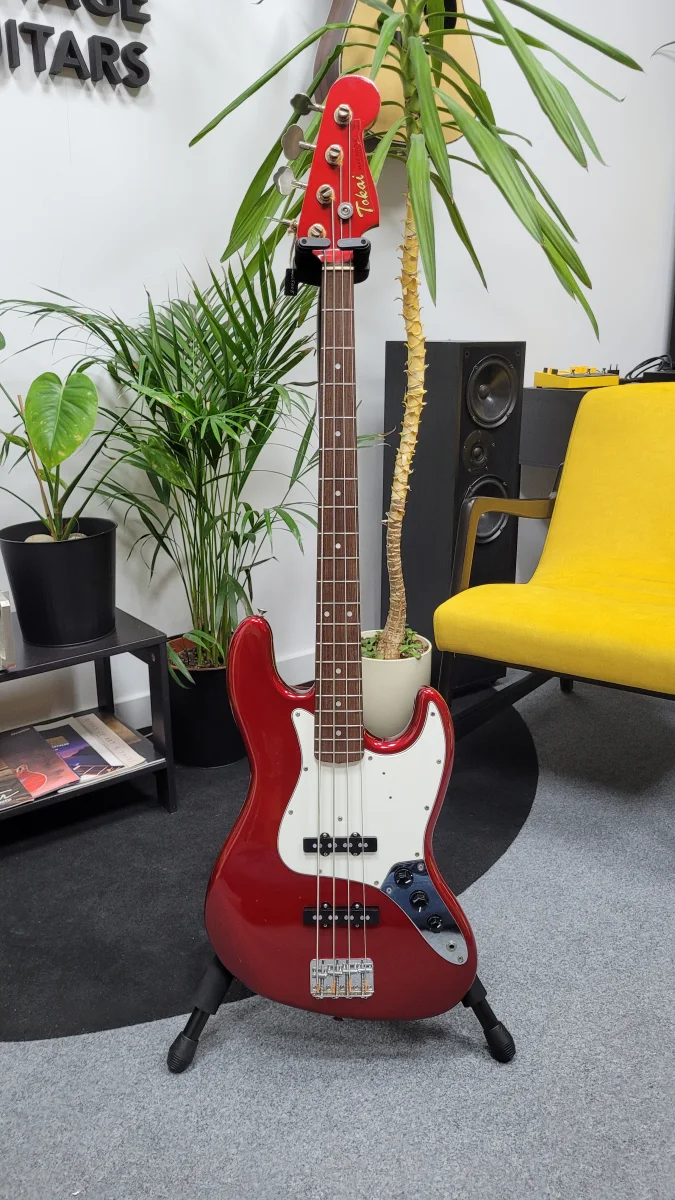
Full archive page for the Tokai Jazz Sound JB50 ↗
Tokai Jazz Sound and Hard Puncher: look beyond the name
With Tokai basses, look for the full series name and model designation, not just the Tokai logo. The archived Candy Apple Red Jazz Sound JB50 has separate specification and service details: fret care, electronics shielding, and action and intonation adjustment. This separates the appearance of the instrument from its service history.
When comparing it with a Hard Puncher, start with both instruments’ descriptions and hardware photographs. A serial number can help with dating, but does not replace checks of the model, parts and condition. Our Tokai decoder explains the scope of its result and when further markings are needed.
What does a service record tell you? The Greco EG800 example
The archived Greco EG800 photograph shows a sunburst body and a two-humbucker layout. Its description adds that this particular guitar received replacement frets and nut. The photograph and service record answer different questions, so read them together.
If collector originality matters to you, ask about replacement parts and documentation. If playing is your priority, tell us about your playing style and setup preferences. The model name alone cannot establish which example will suit those needs.
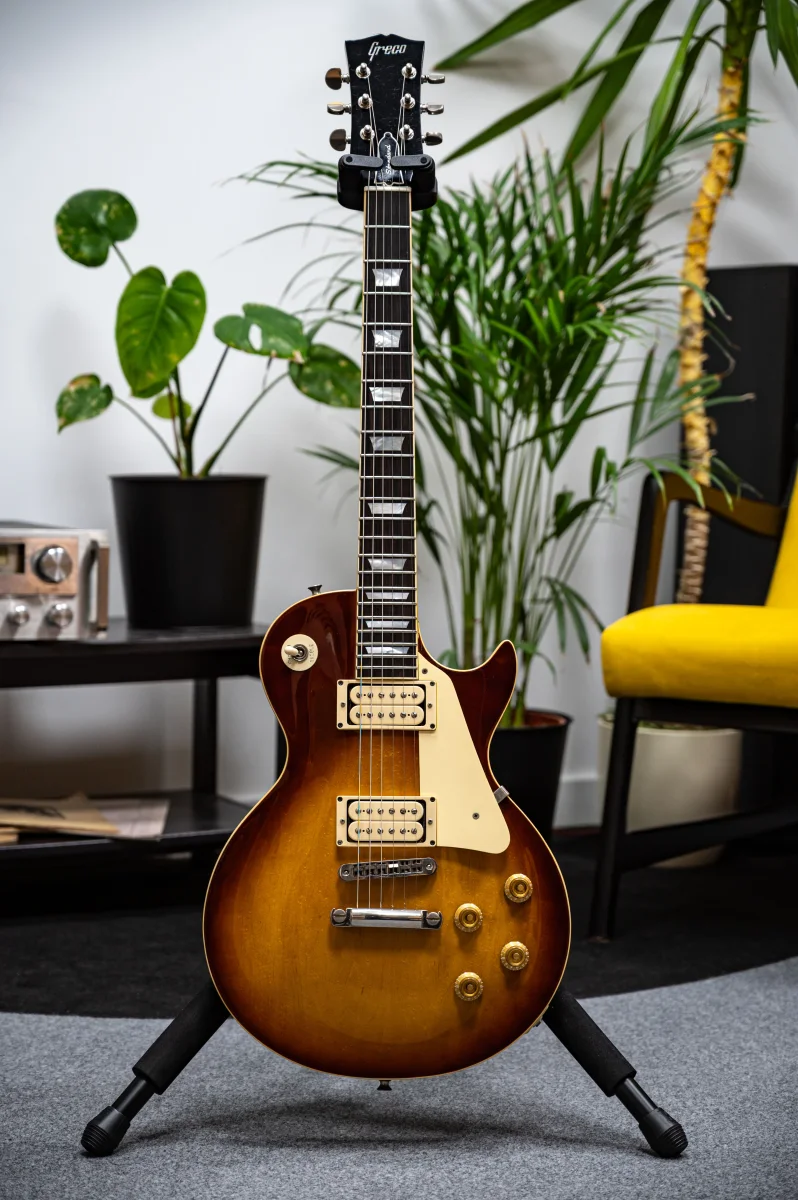
Archived Greco EG800 description and photographs ↗
From an archive example to a current listing
The archive helps you explore models and earlier examples. It does not mean that a photographed guitar is still for sale. Check brand pages and the shop for current listings; the end of this guide also shows examples from the published catalogue.
Before buying, compare condition, service work and the terms of the individual offer. For PRE-SALE listings, check which work is still planned and the fulfilment timeline. If you would like to see an instrument in Poznań or need additional photographs, contact us with its page link.
How to buy a guitar: condition, PRE-SALE, contact and delivery ↗
A name on a headstock is only the beginning
The Japanese guitar industry brought together brands, distributors and specialist factories. A brand name does not always identify the workshop that built the instrument. Our original guide follows this network through Fujigen, Matsumoku, Terada and other makers, and explores both acoustic and electric guitars.
Copies, reinterpretations and original designs
American designs provided an important reference point, but Japanese vintage guitars cannot be reduced to copies. Different series combined their own specifications, hardware and construction choices. The familiar “lawsuit era” label is a broad collecting term, not proof that a particular guitar was involved in litigation.
Read the individual instrument
Start with the complete model designation, label and serial number, then compare the construction with a catalogue from the relevant period. Look for consistency between the neck, body, hardware and electronics. Shared features alone do not prove a factory attribution.
The acoustic and electric paths
Our archive includes Yamaha, K. Yairi, Blue Bell, Thumb, Jagard, K.Country and Yamaki, as well as a wider introduction to Morris, Fernandes/Burny, Daion and other names. Each is a starting point for understanding a particular instrument, rather than a guarantee of its specification or condition.
At Selected Vintage Guitars
We bring that historical interest to the workbench. The condition of the neck and frets, previous repairs and the actual setup matter as much as the name on the headstock. Read the service information in each listing and ask us about anything that needs clarification.
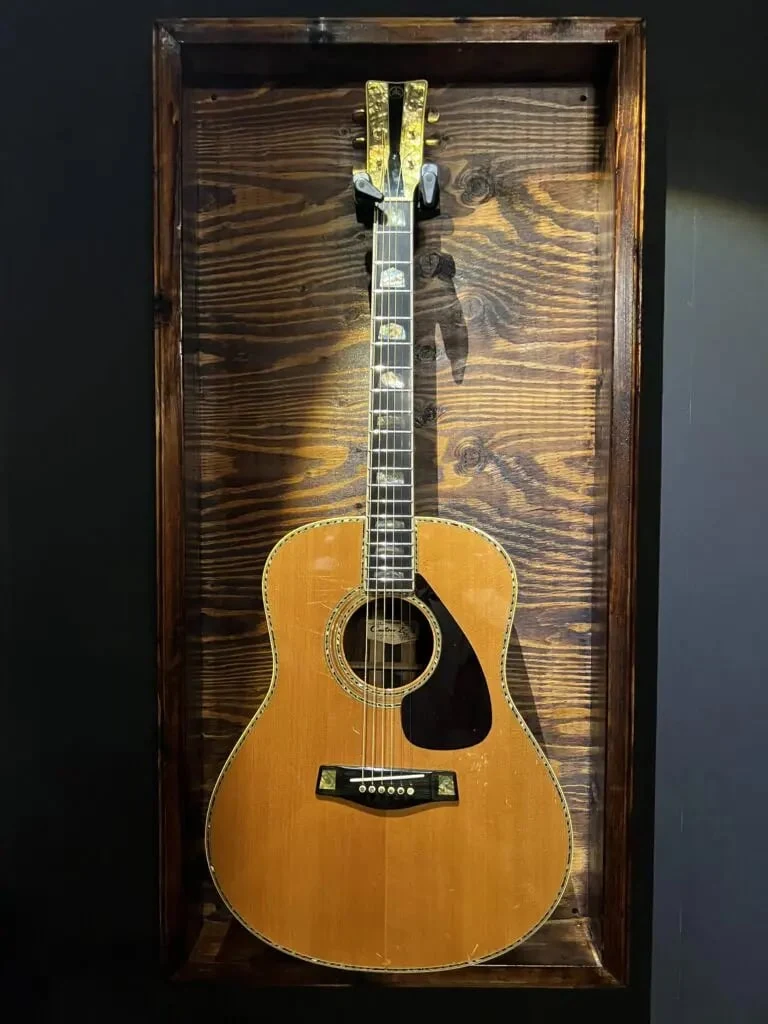
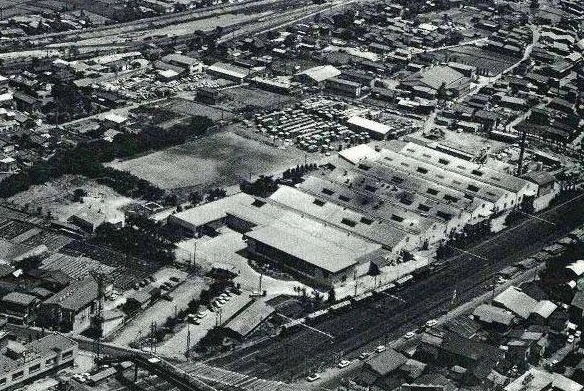










Instruments from the brands in this guide — current listings
These examples come from the published catalogue and change with our listings. Open an instrument page for photos, condition, service details and purchase terms. For a PRE-SALE listing, check the planned work and fulfilment timeline.
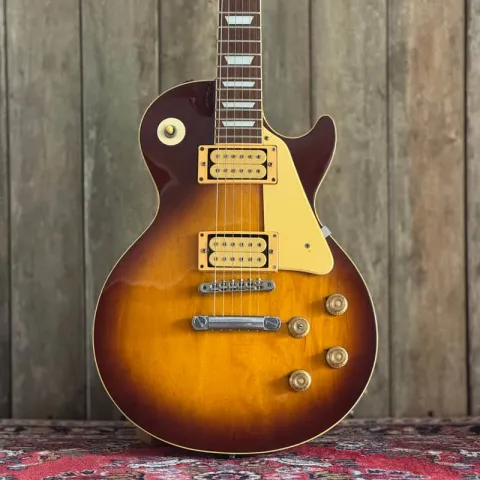 PRE-SALE: Yamaha Studio Lord SL500 - Sunburst, 1979Photos, service record and current offer details →
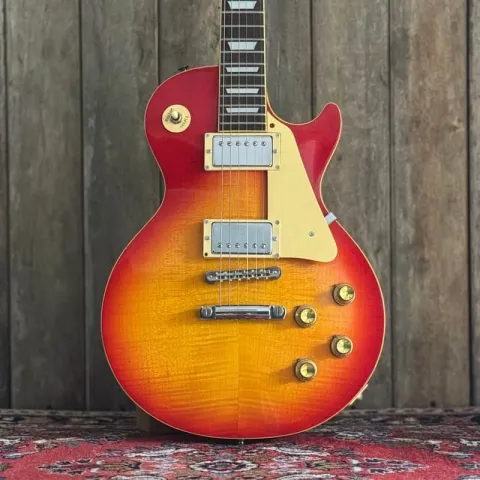 PRE-SALE: Greco EG500 - Sunburst, Lawsuit Era, 1979Photos, service record and current offer details →
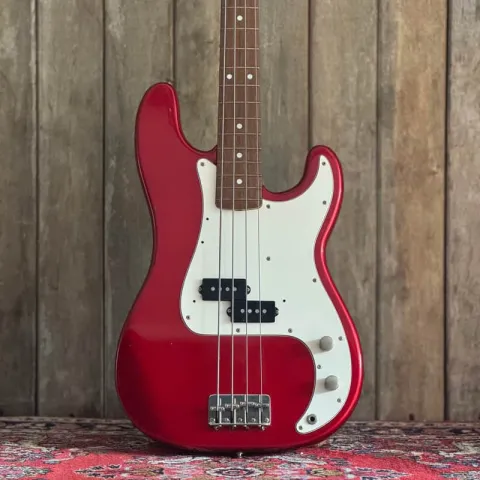 PRE-SALE: Tokai Hard Puncher PB40 – Candy Apple Red (CAR), 1981Photos, service record and current offer details →