Structure
We assess the bridge-to-soundboard joint, bracing, cracks and earlier wood repairs. Where the reported problem calls for it, inspection also covers the inside of the body.

Guitar Lab · Selected Vintage Guitars
We repair and restore vintage guitars with attention to their structure, playability and original components. At Guitar Lab in Poznań, Poland, our work combines wood and glue-joint repairs with neck, fret, hardware and finish work.
Each restoration starts with an assessment of the individual instrument. Previous repairs, original parts and your intended use inform the scope. Acceptance and transport of guitars from elsewhere in Europe are agreed before shipping.

GUITAR LAB / POZNAŃ
We assess each area separately, because one list of symptoms can lead to quite different kinds of work.
We assess the bridge-to-soundboard joint, bracing, cracks and earlier wood repairs. Where the reported problem calls for it, inspection also covers the inside of the body.
We assess the fingerboard, frets and nut. Then we establish whether a setup or fret dressing is enough, or whether the frets need replacing.
We check tuners, bridge hardware, pickups and wiring. Working original parts stay where that is practical and matches your expectations.
A loose bridge, worn frets and a finish chip are three different problems. First we establish what affects playing or weakens the structure, and what is simply a sign of use. Only then do we prepare a scope of work and a quote that lists each stage separately.
Where practical, we preserve original components and finish. Cosmetic work, such as touch-ups, polishing or removing traces of earlier modifications, is agreed separately. Restoration does not automatically mean refinishing the whole guitar. The patina can stay if that is what you prefer.
Structural repairs, fretwork and setup form a coordinated plan. The final adjustment takes account of your chosen strings, tuning and playing style. A single repair or routine service may be sufficient; a more extensive restoration follows the needs of the individual guitar.
Case studies
These three projects show different scopes, from structural repairs on acoustics to neck work that kept the body’s patina.
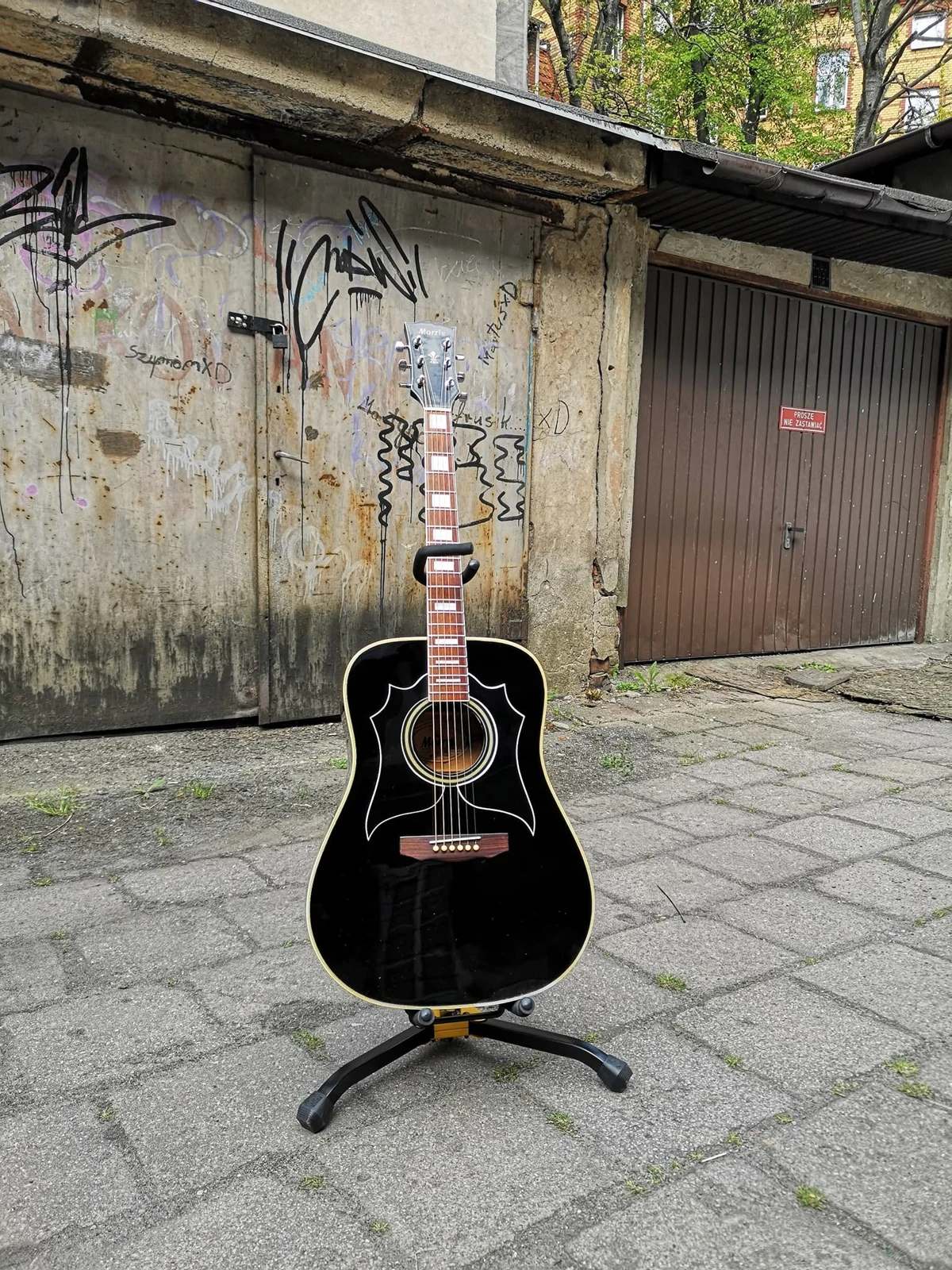
Morris / GUITAR LAB
When does an acoustic need more than a setup? Our Morris WL-35 project shows how to organise the work around the instrument’s actual condition.
Read the case study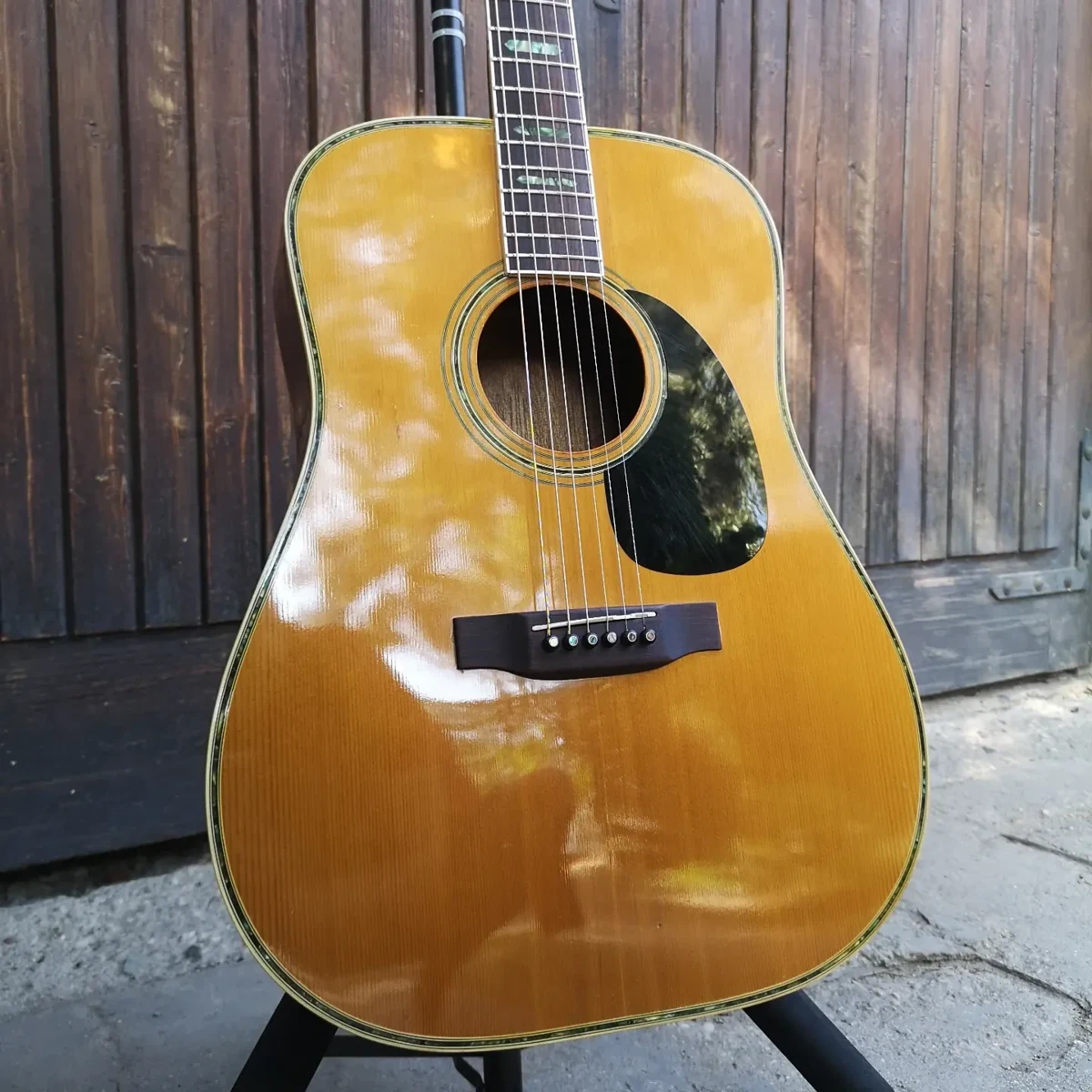
Canyon / GUITAR LAB
The bridge outside and the braces inside the body need separate checks. Here is how these repairs are prepared, and why glue alone is not enough.
Read the case study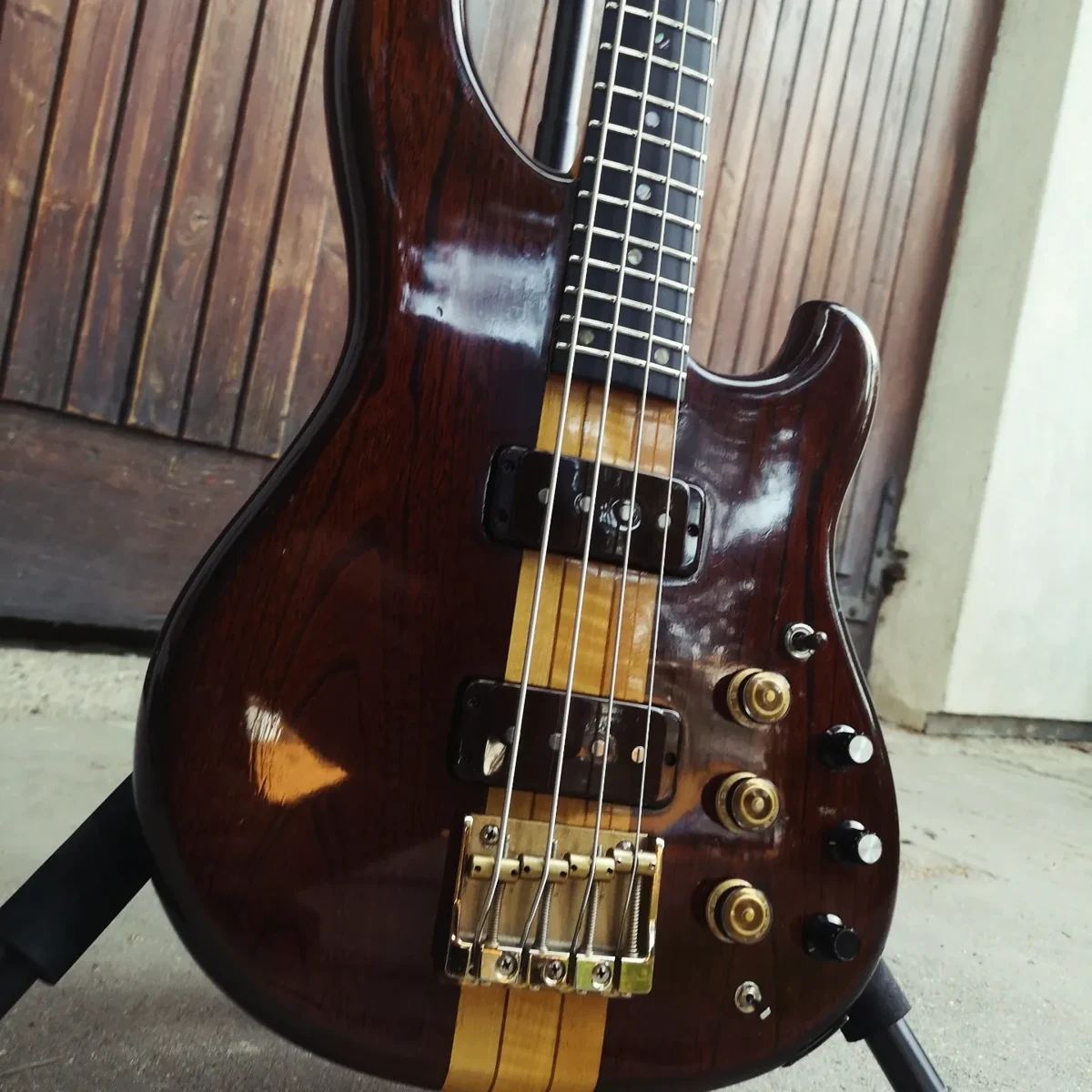
Ibanez / GUITAR LAB
New frets need a stable seat. This project explains fret-slot preparation and a restoration that preserves the character of an older instrument.
Read the case studyGUITAR LAB / EUROPE
The process is transparent, and we decide on each next step together.
Tell us about the symptoms, any known repairs and your plans for the instrument. Photos help with a first conversation, but we confirm the scope once we have seen the guitar.
We separate structural repairs, neck work, hardware and cosmetics. You decide which stages go ahead.
After the agreed work, we set up the instrument. We then explain what was done and what to keep an eye on in future.
No. A single repair and a setup are often enough. The scope follows the condition of that instrument and your expectations, not its age.
The instrument’s condition, structural repairs, fretwork, required parts and agreed finish work determine the scope and cost. Photos help us begin the discussion; the detailed scope and quote are agreed after inspection and before repairs start.
Finish work is agreed separately. It may involve local touch-ups, polishing or retaining existing signs of use. The condition of the finish and the owner’s expectations guide the approach.
Acceptance of the instrument and the method of transport are agreed individually before shipping. Please do not send a guitar without contacting us first.
GUITAR LAB / SELECTED VINTAGE GUITARS
Send the model, photographs of the whole guitar and close-ups of the damage. Describe the symptoms, any known previous repairs and the restoration you have in mind. Include the country from which you would send the instrument to our workshop in Poznań, Poland.
ul. Dąbrowskiego 307, 60-406 Poznań, Poland